Review: Simple Floral Line Art Minimalist Flower
As a designer who has spent years digitizing patterns and critiquing the endless stream of machine embroidery design options available online, I have developed a keen eye for what actually translates well from screen to fabric. Many designs look stunning in a digital preview but fall flat once the needle hits the cloth. Recently, I evaluated the Simple Floral Line Art Minimalist Flower to see if it holds up under the scrutiny of real-world production. This is not just about aesthetics; it is about functionality, stitch quality, and commercial viability for small business owners and hobbyists alike.
First Impressions and Visual Mood
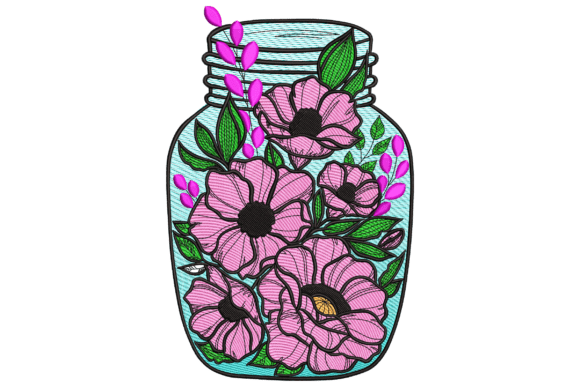
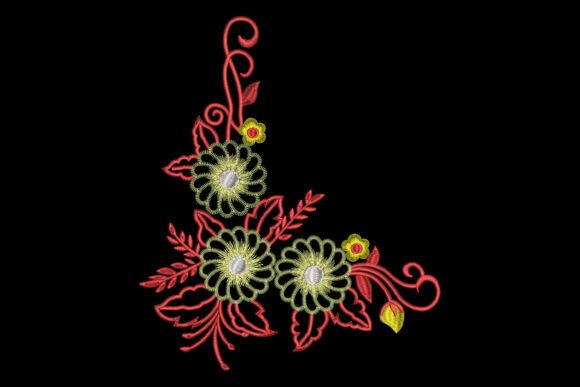
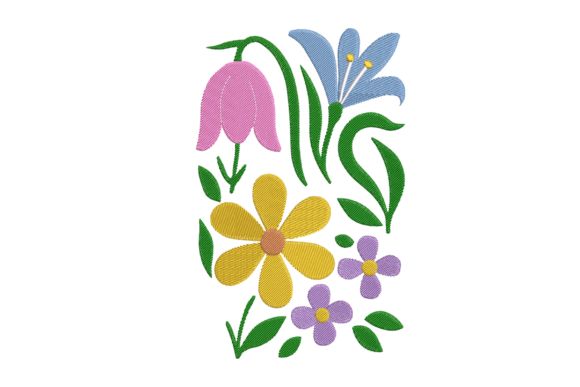
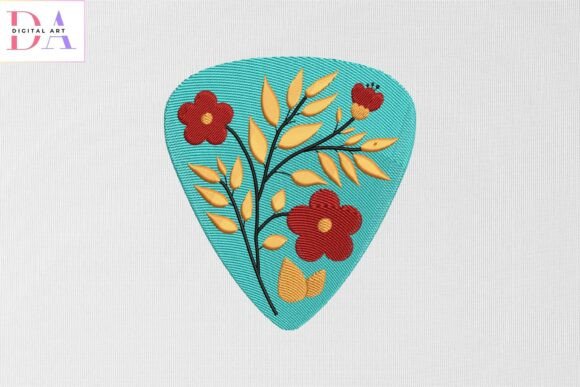
The immediate appeal of the Simple Floral Line Art Minimalist Flower lies in its restraint. In an era where maximalism often dominates social media feeds, there is a refreshing clarity to this piece. The design relies on clean lines and open space rather than dense coverage. It creates a mood of modern elegance and calm, making it an ideal candidate for contemporary home decor or understated apparel.
From a technical standpoint, minimalist line art can be tricky. If the lines are too thin, they disappear into textured fabrics. If they are too thick, they lose their delicate charm. This design strikes a balance that suggests careful digitizing. The flow of the petals feels organic, avoiding the rigid, computer-generated look that plagues many budget-friendly embroidery file packages. It feels like a hand-drawn sketch brought to life, which adds significant perceived value to any handmade product.
Real-World Application: The Tote Bag Test
To truly understand the utility of this design, I imagined a specific client project: a custom canvas tote bag for a local boutique selling organic skincare. The brand identity is clean, eco-friendly, and modern. A heavy, saturated floral pattern would overwhelm the natural texture of the canvas and clash with the brand’s minimalist ethos. Here, the Simple Floral Line Art Minimalist Flower shines.
When stitched onto a medium-weight cotton canvas, the design maintains its integrity. The open spaces allow the fabric’s weave to show through, creating a harmonious blend of thread and material. For an Etsy seller or small shop product creator, this versatility is crucial. It does not demand attention; it invites it. This makes it perfect for tote bag design, where the embroidery serves as a subtle accent rather than a loud statement. It also works beautifully as a sweatshirt embroidery motif, placed subtly on the chest or sleeve for a high-end, boutique feel.
Versatility Across Product Lines
Beyond totes and sweatshirts, this design fits seamlessly into various categories. For those specializing in baby embroidery, the soft, non-aggressive lines are safe and appealing for nursery decor or gentle baby clothes. It lacks the sharp, dense edges that might irritate sensitive skin. For holiday embroidery projects, such as linen napkins or kitchen towels, the botanical theme offers a timeless appeal that does not feel seasonal, ensuring the product remains relevant year-round.
If you are creating custom apparel for corporate gifts or wedding parties, this design acts as a sophisticated watermark. It is elegant enough for formal wear yet casual enough for everyday use. This duality expands the potential customer base for any craft business utilizing this asset.
Technical Considerations and Fabric Challenges
While the design is robust, it is not without its limitations. Minimalist line art requires precision. When working with stretchy fabric like jersey knits, proper stabilization is non-negotiable. Without a cut-away stabilizer, the lines may distort after washing, turning smooth curves into jagged edges. Similarly, on textured fabrics like terry cloth or heavy wool, the fine details of the running stitch elements might get lost. In these cases, I recommend testing the design on scrap fabric first to gauge visibility.
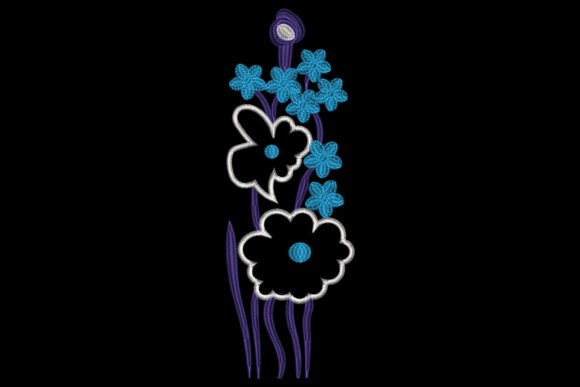
Another critical factor is thread color contrast. Because the design relies on outlines rather than fill areas, the contrast between the thread and the fabric is paramount. On dark fabrics, a light metallic or bright white thread will make the design pop. On light fabrics, a deep charcoal or navy provides definition. I always advise reviewing the design in black and white mockups before stitching to ensure the silhouette remains clear regardless of color choice.
For those considering this for embroidered patch creation, be mindful of the hoop size. If the design is scaled down too much for a small hoop, the intricate line intersections may merge, causing thread breaks or a messy finish. Always confirm the minimum recommended hoop size provided with the digital embroidery file before committing to a small-scale project.
Commercial Value and Brand Consistency
For commercial users, the value of a design lies in its ability to enhance brand perception. The Simple Floral Line Art Minimalist Flower exudes professionalism. It does not look like a generic clip-art insertion. When used consistently across a product line, it helps build brand recognition. Customers associate the clean, deliberate stitching with quality and care.
This design is particularly effective for personalized gift businesses. It serves as an excellent frame for monograms or names. The open center of the floral arrangement allows for text integration without cluttering the visual field. This adaptability increases the perceived customization level, allowing sellers to charge a premium for personalized items.
Designer Notes for Best Results
- Test on Scrap Fabric: Always run a test stitch on the exact fabric type you plan to use. Check for puckering or thread breaks.
- Check Stitch Density: Ensure the density is appropriate for your fabric weight. Too dense on lightweight fabric causes tearing; too sparse on heavy fabric looks unfinished.
- Use Proper Stabilizer: Match your stabilizer to the fabric. Cut-away for knits, tear-away for wovens.
- Verify Licensing: Before selling finished items or using this as a design asset in commercial products, confirm the license terms included with the download. Most designers allow commercial use of finished physical goods, but restrictions may apply to digital resale.
- Inspect Small Details: Zoom in on the digitized file to check for unnecessary jump stitches or overly complex pathing that could slow down production.
Final Verdict
The Simple Floral Line Art Minimalist Flower is a strong addition to any designer’s library. It bridges the gap between artistic expression and practical application. It is not just a pretty picture; it is a functional tool for creating high-value finished product items. Whether you are an experienced embroidery project manager or a beginner looking to elevate your craft, this design offers the reliability and aesthetic appeal needed to succeed in today’s competitive market. By respecting its technical requirements and leveraging its visual strengths, you can create items that resonate with customers and stand the test of time.