Floral Jar: A Designer’s Review for Craft Fair Success
As an embroidery designer who has spent countless weekends standing behind booth tables, I know that not every machine embroidery design is created equal when it comes to retail success. Some designs look beautiful on a screen but fall flat in person. Others are too complex to produce in bulk. Today, I am reviewing Floral Jar, a charming addition to the Bouquets category, specifically through the lens of a craft fair seller and handmade business owner. If you are preparing your inventory for the upcoming market season, this review will help you decide if this embroidery file deserves a spot in your digital library.
First Impressions: Charm Meets Quirky Appeal
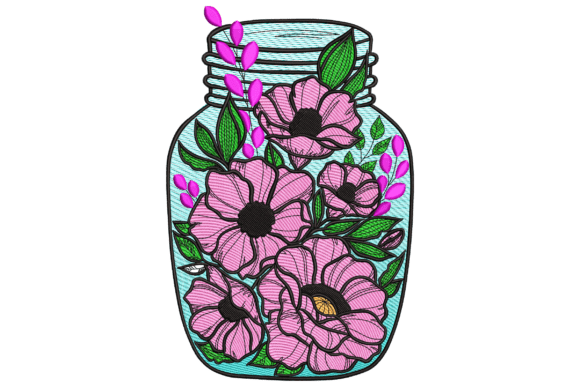
The moment I loaded Floral Jar into my editing software, the vibe was immediate. It does not scream high-end luxury or rigid minimalism. Instead, it radiates a fun, quirky accent that feels approachable and warm. For craft fair sellers, this is gold. Customers at handmade markets are often looking for items that feel personal and whimsical rather than mass-produced. The design transforms fabrics with a touch of charm, making it an ideal candidate for products that need to spark joy at a glance.
Visually, the jar motif suggests a rustic or farmhouse aesthetic, but the floral elements keep it fresh and modern. It strikes a balance that appeals to a wide demographic, from young adults looking for unique tote bags to older shoppers seeking decorative home accents. This versatility is crucial for a small shop product because it allows you to target multiple customer segments with a single asset.
Product Applications: Where Floral Jar Shines
To determine the commercial viability of Floral Jar, I mentally placed it on various blank goods. Here is how it performs across different categories:
- Tote Bags and Market Bags: This is arguably the strongest application. A tote bag design needs to be recognizable from three feet away. The jar silhouette provides a clear focal point, while the flowers add color interest. It works beautifully on canvas or cotton totes, creating an instant bestseller for eco-conscious shoppers.
- Kitchen Textiles: The theme naturally lends itself to the kitchen. Tea towel embroidery and apron accents are huge sellers at holiday markets. Placing Floral Jar on the corner of a flour sack towel or the bib of an linen apron embroidery project adds a cohesive, handmade touch that elevates the perceived value.
- Embroidered Patches: If you offer iron-on or sew-on patches, this design is compact enough to work well. An embroidered patch featuring this jar can be applied to denim jackets or backpacks, appealing to a younger, trend-focused crowd.
- Home Decor: Pillow covers and small pouches benefit from the decorative nature of the bouquet. It acts as a central medallion that draws the eye without overwhelming the fabric.
Production Practicality for Batch Selling
When running a booth, time is money. You cannot spend twenty minutes hooping and stitching a single item if you want to maintain healthy margins. Floral Jar appears to be designed for efficiency. It is not overly dense, which means it stitches out relatively quickly. This makes it a viable craft fair product for batch production. You can hoop multiple items, run the machine, and move on to finishing touches like trimming threads and pressing.
However, practical judgment is required. While the design is described as adding a fun accent, you must consider stitch density. If the floral details are too tight, they may pucker lightweight fabrics like t-shirts. Conversely, if the stitches are too sparse on thick towels, the backing might show through. Always test your embroidery file on the specific material you intend to sell. For t-shirts, a cut-away stabilizer is non-negotiable to prevent distortion after washing. For towels, a tear-away might suffice, but ensure the fabric texture does not swallow the finer details of the flowers.
Visual Appeal and Customer Engagement
In a crowded market aisle, your booth display must stop traffic. Floral Jar contributes to strong booth display strength because it is inherently colorful. By using vibrant thread colors for the flowers against a neutral jar, you create contrast that pops. This is essential for catching the eye of passersby. Furthermore, the design photographs well for online listings. Whether you are an Etsy seller or promoting on Instagram, a clear, crisp image of this design on a white tote or a pastel apron creates an attractive printable mockup or real-life photo that drives clicks.
The "quirky" aspect mentioned in the description helps with buyer engagement. It invites questions. Customers might ask, "What kind of flowers are those?" or "Is this a mason jar?" These interactions build a connection between you and the buyer, increasing the likelihood of a sale. It turns a static finished product into a conversation starter.
Careful-Use Notes and Technical Considerations
While Floral Jar is versatile, there are pitfalls to avoid. Do not assume one size fits all. If you plan to use this on curved surfaces like caps, ensure the design is not too wide, as it may distort on the front panel. Additionally, tiny details in the bouquet may lose clarity if scaled down too much for small pouches. Always check the minimum recommended size.
Dark fabrics present another challenge. If you stitch this on a navy or black tote, you must use high-contrast thread colors and potentially a topping stabilizer to prevent the fabric pile from interfering with the stitches. Without proper planning, the intricate parts of the bouquet could get lost in the background.
Designer Checklist for Implementation
Before you commit to producing fifty units for your next show, follow these steps:
- Test on Scrap Fabric: Never skip this. Stitch out Floral Jar on the exact fabric weight and type you plan to sell.
- Check Thread Contrast: Ensure your chosen palette makes the jar distinct from the flowers.
- Review Spacing and Hoop Size: Confirm that the design fits comfortably within your standard hoop without requiring excessive re-hooping for multi-position designs.
- Inspect Stitch Density: Look for areas that are too dense, which can cause needle breaks or fabric puckering.
- Use the Right Stabilizer: Match your stabilizer to the fabric texture. Knits need support; wovens need less.
- Create a Real Mockup: Photograph the stitched sample in natural light to see how it truly looks.
- Confirm Commercial Licensing: Since you are selling commercial embroidery products, verify that your purchase of the digital embroidery file includes a commercial license. Never assume; always read the terms.
In conclusion, Floral Jar is a strong contender for your spring and summer inventory. It offers the right mix of visual appeal, production efficiency, and marketability. By treating it with the technical respect it requires—choosing the right fabrics, stabilizers, and thread combinations—you can turn this simple design asset into a profitable staple of your handmade business. Whether you are selling at a local fair or online, this design has the potential to transform your fabrics and your sales figures.