Reviewing Puffy Floral Embroidery Alphabet
As an embroidery designer who has spent years refining digitized patterns for small businesses and independent makers, I approach every new machine embroidery design with a critical eye. It is not just about how it looks on a screen; it is about how it translates to fabric, thread, and ultimately, the hands of the customer receiving a personalized gift. Recently, I tested the Puffy Floral Embroidery Alphabet, a collection that promises to blend delicate botanical aesthetics with the tactile charm of textured lettering. For Etsy sellers, crafters, and boutique owners looking to elevate their offerings, this review breaks down the practical realities of using these graphics in a commercial setting.
The First Impression: Mood and Aesthetic Appeal
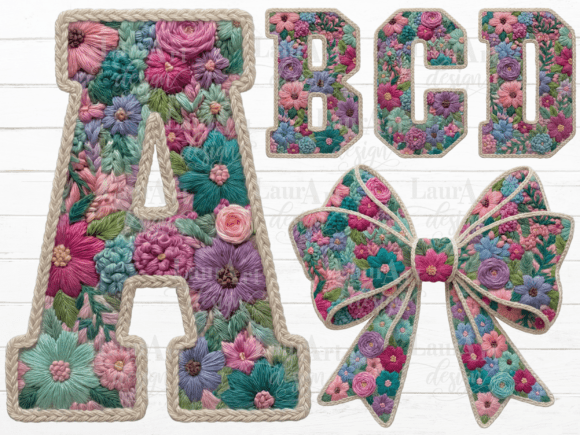
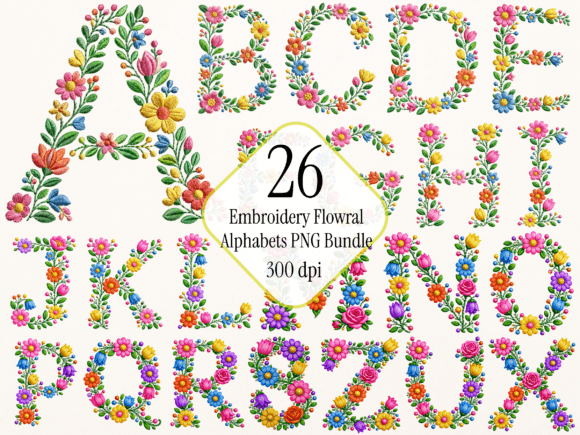
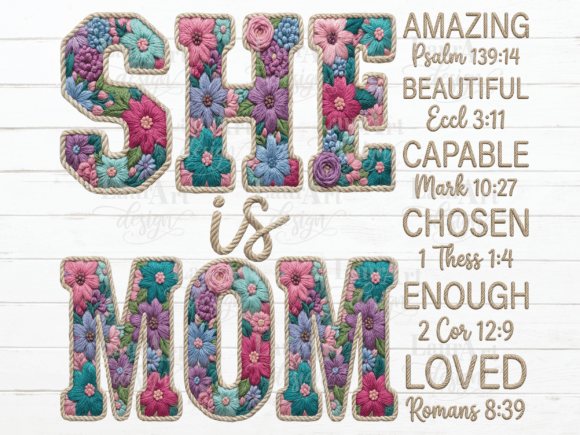
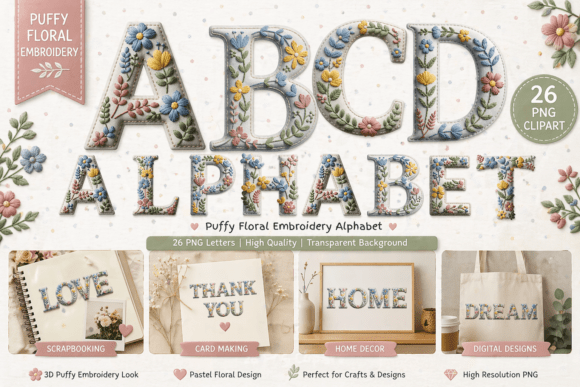
When I first loaded the files into my editing software, the immediate impression was one of soft elegance. The Puffy Floral Embroidery Alphabet does not scream for attention with bold, blocky structures. Instead, it whispers. The design features high-quality 3D-textured letters adorned with delicate stitches that mimic the look of hand-embroidered florals wrapping around each character. This creates a mood that is simultaneously romantic, handmade, and slightly whimsical.
For a designer, this emotional appeal is crucial. In the world of Illustrations and Graphics meant for physical production, the "feel" of the design dictates the market. These letters feel sweet yet sophisticated, making them versatile enough for a baby’s nursery or a bride’s keepsake. The detail level is impressive, suggesting a high stitch count that fills the shape without appearing cluttered. It feels modern in its minimalism but classic in its floral motifs, striking a balance that is often difficult to achieve in digital embroidery files.
Real-World Applications for Custom Orders
The true test of any digital embroidery file is its versatility across different products. I imagined several customer scenarios to see where this alphabet would shine. The most obvious application is baby embroidery. Picture a muslin swaddle or a organic cotton onesie with the baby’s initials stitched in soft pastels. The puffy texture adds a sensory element that parents love, and the floral accents make it feel like a cherished heirloom rather than a mass-produced item.
Beyond the nursery, this design is a powerhouse for wedding gifts. Imagine a linen handkerchief or a silk robe embroidered with the bride’s new initials. The delicate nature of the flowers complements the romance of a wedding day perfectly. For home decor enthusiasts, these letters transform simple items into statement pieces. An embroidered towel in the kitchen gains instant personality, while a velvet pillow cover in the living room becomes a focal point. I also see great potential for custom tote bags and aprons, where the durability of the stitch can withstand regular use if properly stabilized.
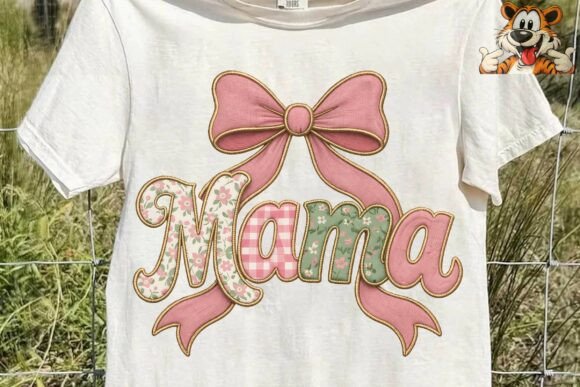
For Etsy sellers and small shop owners, this alphabet allows for quick customization. You can create printable mockup previews for customers, showing them how their name would look on a blanket or a wall hanging. This visual confirmation increases buyer engagement and reduces hesitation, as customers can visualize the finished product before purchasing.
Navigating Technical Challenges and Fabric Choices
While the aesthetic is stunning, experienced embroiderers know that beauty comes with technical requirements. The Puffy Floral Embroidery Alphabet relies on fine details and texture, which means fabric choice is critical. I would advise caution when using this design on very thick towels or heavy denim without proper hooping techniques. The stitch density needs room to breathe, and overcrowding the fabric can lead to puckering.
Delicate details are beautiful, but they can get lost on fabrics with a heavy fabric texture, such as rough burlap or thick wool. For these materials, you might need to adjust the underlay or choose a simpler version of the font if available. Additionally, curved surfaces like the collar of a baby shirt or the pocket of a tote bag require careful placement. If the hoop size is too large for the area, you risk distorting the garment. Always check the recommended hoop size provided with the file to ensure it fits your intended project area.
Dark fabrics present another challenge. The floral elements, which likely rely on subtle color shifts to show depth, may not pop against black or navy blue unless you use high-contrast thread colors. I recommend running test stitches on scrap fabric in both light and dark shades to see how the shadows and highlights of the puffy effect translate. Furthermore, for items that require frequent washing, such as kitchen towels or baby clothes, ensuring the stitch integrity is vital. A loose thread in a delicate floral petal can unravel quickly, so securing the start and end points is essential.
Enhancing Perceived Value and Customer Trust
From a business perspective, the quality of your embroidery directly impacts perceived value. A well-executed custom embroidery piece signals care and craftsmanship. When a customer receives a gift featuring the Puffy Floral Embroidery Alphabet, the tactile experience of the raised, textured letters creates an emotional connection. It feels expensive, even if the base product was affordable. This perceived quality builds trust in your brand and encourages repeat business.
Using high-quality Illustrations and Graphics like this in your marketing materials also elevates your brand image. Photos of these detailed stitches perform well on social media, drawing in customers who appreciate handmade artistry. It differentiates your small shop product from generic printed goods, positioning you as a creator of unique, meaningful items.
Practical Notes for the Embroiderer
Before launching this design in your store, there are several practical steps to take. First, always test on scrap fabric similar to your final product. This allows you to check thread tension and color contrast without risking a saleable item. Second, confirm the stabilizer type. For puffy or textured designs, a cut-away stabilizer often provides better long-term support than tear-away, especially for stretchy fabrics like baby clothes.
Review the stitch density in your software. If the design is too dense for lightweight fabric, you may need to adjust settings to prevent stiffness. Finally, and most importantly, verify the licensing terms. Ensure that the commercial embroidery license covers the number of finished products you plan to sell. Never assume; always read the documentation included with the embroidery file.
In conclusion, the Puffy Floral Embroidery Alphabet is a thoughtful addition to any designer’s library. It offers a blend of charm and sophistication that appeals to a wide range of customers, from new parents to brides. By respecting the technical nuances of fabric and stitch, you can transform this digital asset into a tangible source of joy and profit for your business.