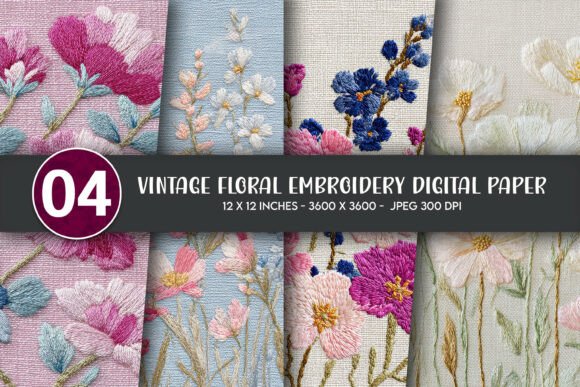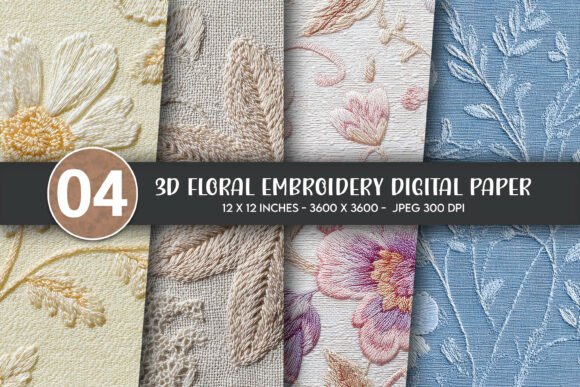
Review: 3D Floral Embroidery Digital Paper for Boutiques
As an embroidery designer who has spent years refining digitizing techniques for high-end apparel, I am always skeptical of new digital embroidery file releases. The market is flooded with generic patterns, but every so often, a design comes across my desk that genuinely shifts the needle on what we can achieve in a small boutique setting. Recently, I had the opportunity to evaluate 3D Floral Embroidery Digital Paper for an upcoming limited-edition sweatshirt drop. This was not just a test run; it was a critical assessment of whether this asset could carry the weight of a premium brand identity.
First Impressions and Aesthetic Mood
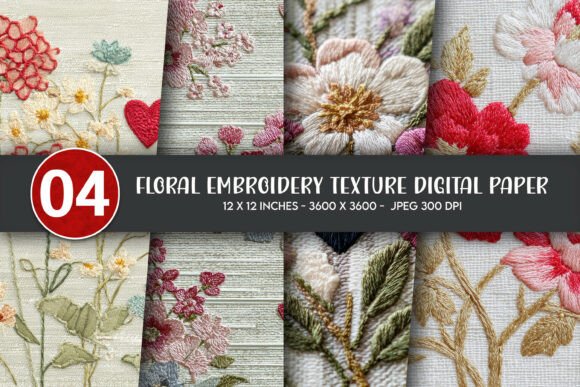
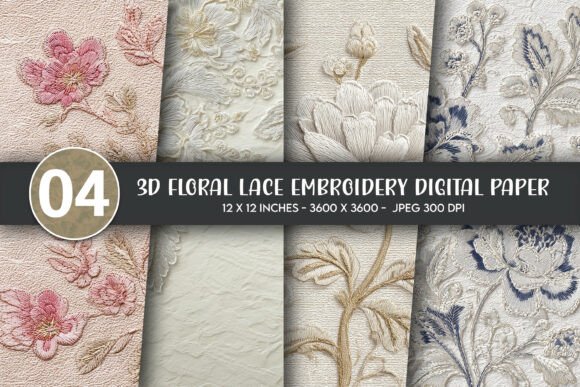
When I first loaded the Illustrations into my viewing software, the immediate takeaway was the depth. The term "3D" is often overused in marketing, but in this context, it refers to the visual layering and shadow work that mimics the tactile richness of actual thread buildup. For a boutique brand aiming to bridge the gap between casual comfort and luxury detail, this aesthetic is crucial. The design feels distinctly feminine yet grounded, avoiding the trap of being overly cute or childish. Instead, it leans into a decorative, almost rustic elegance that pairs beautifully with modern minimalism.
The layout suggests a high level of attention to detail. In the world of machine embroidery design, complexity can be a double-edged sword. Too much density leads to puckering; too little lacks impact. This design strikes a balance that suggests it was created with real-world production in mind. It feels bold enough to stand out on social media feeds but refined enough to justify a higher price point for the finished product.
Application on Sweatshirts and Hoodies
The primary test for any new asset is its versatility on apparel. I envisioned this design on a range of neutral sweatshirts—think oatmeal, charcoal, and deep forest green. On lighter fabrics, the floral elements pop with a soft, organic feel, enhancing the cozy nature of the garment. On dark fabric, such as black or navy oversized hoodies, the design requires careful selection of thread colors. High-contrast threads like cream, gold, or pastel pink would make the floral motifs sing, turning a basic hoodie into a statement piece.
For placement, I considered several options. A centered chest placement works well for a classic look, but the intricate details of 3D Floral Embroidery Digital Paper might shine even brighter as a sleeve accent or a smaller left-chest logo. This approach creates a subtle branding moment that appeals to customers who prefer understated luxury. For back designs, scaling up the graphic could create a stunning focal point, though this would require rigorous testing of stitch density to ensure the heavy fabric of a sweatshirt does not distort under the weight of the embroidery.
Technical Considerations for Production
Before committing to a full production run, any serious Etsy seller or small shop owner must address technical realities. The description notes that this is suitable for various items, including t-shirts and tote bags, which implies a certain level of adaptability. However, sweatshirts present unique challenges due to their thickness and texture. The fabric texture of a fleece-lined hoodie can swallow fine details if the stitch count is too low or the needle size is incorrect.
I recommend using a cut-away stabilizer rather than tear-away for this application. The structural integrity of the floral design depends on stable backing, especially if the garment will be washed frequently. Washing durability is a major concern for commercial apparel. If the stitches are too long or the density too sparse, the design may unravel or lose its shape after a few cycles. While the specific stitch count and file format are not detailed in the brief, it is vital to check these specs before hooping. Ensure the hoop size you plan to use accommodates the full breadth of the floral arrangement without cropping essential petals or leaves.
Another critical factor is small-size readability. If you plan to use this as a small logo on a onesie or a pocket emblem, zoom in closely. Does the detail hold up? Or does it become a muddy blob of thread? For a custom apparel line, clarity at smaller scales is non-negotiable. If the design loses its definition when scaled down, reserve it for larger applications like throw pillows or wall art where the resolution can be fully appreciated.
Brand Identity and Market Value
Beyond the technical aspects, we must consider how 3D Floral Embroidery Digital Paper impacts brand perception. In the crowded marketplace of handmade goods, visual recognition is key. Using high-quality, distinctive design assets helps build a cohesive brand identity. When customers see consistent, high-quality embroidery across your collection, it builds trust. They begin to associate your brand with craftsmanship and care.
This design can significantly affect product value. A plain sweatshirt might sell for twenty dollars, but one adorned with intricate, well-executed floral embroidery can command double or triple that price. The perceived value comes from the labor and artistry involved. By leveraging this digital embroidery file, you are not just selling clothing; you are selling a piece of art. This narrative is powerful for marketing. Use printable mockup tools to showcase how the design looks on different colored garments before you even stitch a single thread. These visuals are essential for Etsy listings and social media previews, driving customer engagement before the product even launches.
Versatility Beyond Apparel
While my focus was on apparel, the versatility mentioned in the product description opens other revenue streams. The same design can be applied to tote bags, creating a matching accessory line. It can adorn greeting cards or posters, appealing to customers who love the aesthetic but do not want wearable items. This cross-category appeal maximizes the return on investment for the design asset. For a small business, maximizing the utility of every purchase is essential for profitability.
However, remember that different materials require different approaches. Embroidering on a mug or a sticker involves entirely different processes than fabric. Ensure you understand the licensing terms and technical requirements for non-fabric applications. For wall decor and art prints, the high-resolution nature of the source files ensures crisp output, maintaining the premium feel across all product types.
Final Verdict for Small Shops
In conclusion, 3D Floral Embroidery Digital Paper offers a compelling option for designers looking to elevate their small shop product lines. It balances artistic flair with practical application, provided you pay attention to the technical details of stabilizer choice, thread contrast, and fabric compatibility. It feels premium, decorative, and ready for commercial use, assuming proper digitizing checks are performed. For boutique brands aiming to stand out in the handmade market, this design provides the visual punch needed to capture attention and justify higher price points. Always verify the specific file formats and hoop requirements before starting your next project, but rest assured that this asset has the potential to become a staple in your creative toolkit.