Green Floral Branch: A Designer’s Review
As an embroidery designer who has spent years digitizing and testing patterns for small businesses, I approach every new machine embroidery design with a critical eye. It is not just about whether the pattern looks good on a screen; it is about how it performs in the hoop, how it wears after washing, and ultimately, how it resonates with the end customer. Recently, I had the opportunity to test the Green Floral Branch design, a piece categorized under Single Flowers within the broader world of Embroidery. My goal was to determine if this specific motif could elevate a personalized gift shop’s offerings, particularly for clients seeking meaningful, handmade keepsakes.
First Impressions: Mood and Aesthetic Appeal
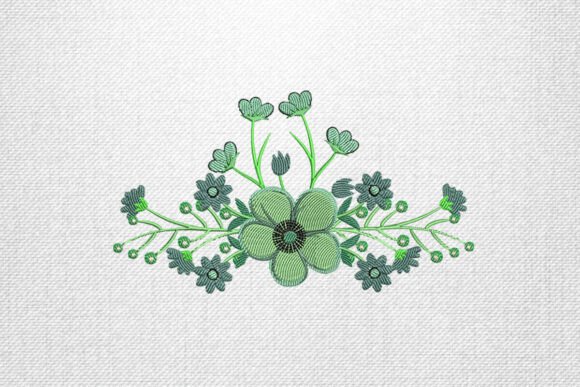
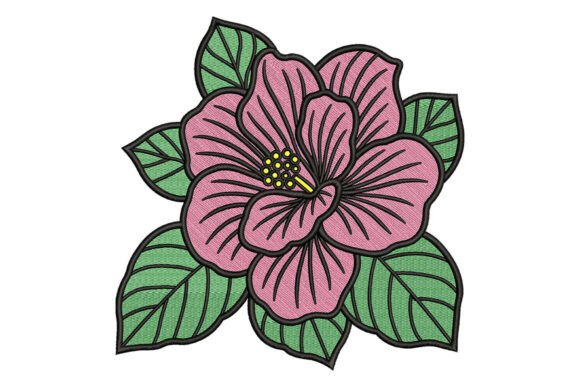
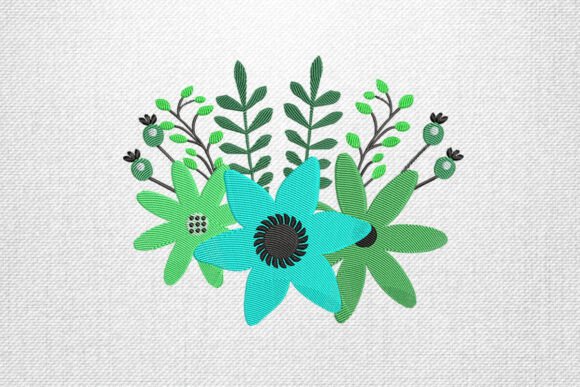
The moment I loaded the digital embroidery file into my software, the immediate impression was one of fresh vitality. The Green Floral Branch does not shout for attention; rather, it invites it with a quiet elegance. The design features detailed leaves, elegant stems, and fresh blooming flowers that create a lively yet sophisticated touch. For a designer, the balance between detail and simplicity is crucial. This pattern strikes that balance beautifully. It feels both modern and classic, making it versatile enough for a wide range of demographics.
The emotional appeal here is significant. In the realm of personalized gifts, customers are often looking for something that conveys care, growth, and natural beauty. This design embodies those sentiments. It is not overly romantic in a cliché sense, nor is it starkly minimal. It sits comfortably in a sweet, organic space that appeals to parents designing nursery items, brides looking for subtle wedding accents, and home decorators seeking to add a touch of nature to their living spaces.
Versatility in Product Application
One of the strongest assets of the Green Floral Branch is its adaptability. During my testing phase, I visualized this design across various products to see where it would perform best. For baby product creators, this design is a standout choice for baby embroidery. Imagine a soft, muslin swaddle or a high-quality cotton onesie adorned with this delicate branch. The green tones are gender-neutral, appealing to modern parents who move away from strict pink and blue binaries. It adds a handmade quality that mass-produced items simply cannot replicate.
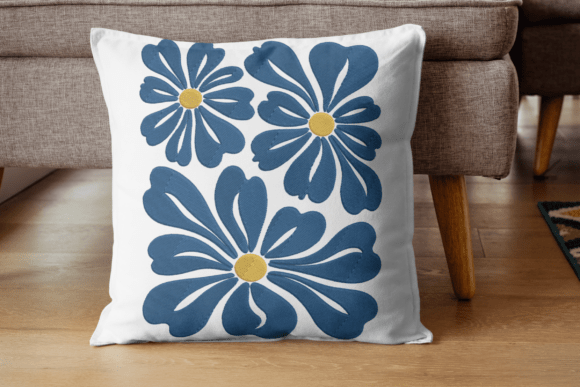
For wedding gift designers and those creating family keepsakes, the potential is equally strong. I pictured this motif embroidered on linen napkins or a runner for a bridal shower gift. The elegant stems provide a natural frame that could easily accommodate monogramming, although care must be taken with placement. Additionally, for Etsy sellers focusing on home decor, this design translates wonderfully onto a pillow cover or a tote bag. The organic lines complement the texture of canvas or linen, enhancing the perceived value of the finished product.
Kitchen textiles are another excellent avenue. An embroidered towel featuring this floral branch can transform a simple household item into a cherished gift. The fresh blooming flowers add a pop of color that brightens up neutral kitchen palettes. Whether used for custom orders or as part of a ready-to-ship collection in a small shop product line, the design offers a professional finish that builds customer trust.
Navigating Technical Challenges and Fabric Choices
While the aesthetic is promising, a professional review must address the technical realities of stitching. The Green Floral Branch includes detailed leaves and fine stems. These elements require careful consideration regarding stitch density and fabric texture. When working with textured fabric, such as waffle-weave towels or thick terry cloth, the finer details of the stems might get lost if the stabilizer is not chosen correctly. I strongly advise using a cut-away stabilizer for stretchy fabrics like baby clothes to prevent puckering, which can distort the elegant lines of the branches.
Dark fabric presents another challenge. The design relies on fresh, bright greens and floral tones. On dark navy or black fabrics, these colors may not pop unless you use an underlay stitch effectively or choose thread colors with high contrast. I recommend creating a printable mockup or stitching a test sample on scrap fabric before committing to a final product. This step is essential to confirm that the thread colors harmonize with the material and that the small details remain crisp after stitching.
Furthermore, consider the hoop size relative to the product. If you are embroidering on a curved surface, such as a cap or a small pouch, ensure the design fits comfortably within the hoop without requiring excessive re-hooping, which can lead to misalignment. For products that need frequent washing, such as aprons or baby blankets, verify that the stitch density is not too high, which could make the fabric stiff, nor too low, which might cause the threads to snag.
Enhancing Giftability and Perceived Value
From a business perspective, the Green Floral Branch significantly enhances the giftability of any item it adorns. In the competitive landscape of online marketplaces, standing out requires more than just a product; it requires an emotional connection. This design fosters that connection by evoking feelings of warmth and nature. When a customer receives a tote bag or a blanket with this intricate floral work, the immediate perception is one of high-quality craftsmanship.
This perceived value is crucial for Etsy sellers and small business owners. It allows for a higher price point because the item is viewed as a unique, custom embroidery piece rather than a generic commodity. Moreover, the visual appeal of the design aids in product photography. The organic shapes photograph well in natural light, helping to create engaging listings that drive buyer engagement. A well-executed finished product featuring this design can lead to positive reviews and repeat customers, as the quality speaks for itself.
Practical Steps for Implementation
To ensure success with the Green Floral Branch, I recommend a structured approach. First, always check the specific details of the embroidery file provided by the seller. Since exact specifications like stitch count or recommended hoop size were not explicitly detailed in the initial description, it is vital to review the file properties in your embroidery software. Confirm the commercial licensing terms before selling any finished products to avoid legal issues.
- Test on Scrap Fabric: Always stitch a sample on the same type of fabric you intend to use for the final product. This helps identify any tension issues or thread breaks.
- Check Thread Color Contrast: Ensure your chosen thread colors stand out against the fabric background, especially for the detailed leaves and blooms.
- Use Proper Stabilizer: Match the stabilizer to the fabric weight and stretch. Cut-away for knits, tear-away for stable wovens.
- Review Small Details: After stitching, inspect the fine stems and leaf veins. If they appear messy, adjust your tension or needle size.
- Compare Mockups: Create digital or physical mockups on both light and dark fabrics to see which offers the best visual impact for your target audience.
In conclusion, the Green Floral Branch is a valuable addition to any embroidery designer’s library. It offers the versatility needed for diverse product lines, from baby items to wedding gifts, while maintaining a high standard of aesthetic appeal. By paying attention to technical details and leveraging its emotional resonance, crafters and small business owners can create stunning, profitable personalized gifts that customers will treasure.